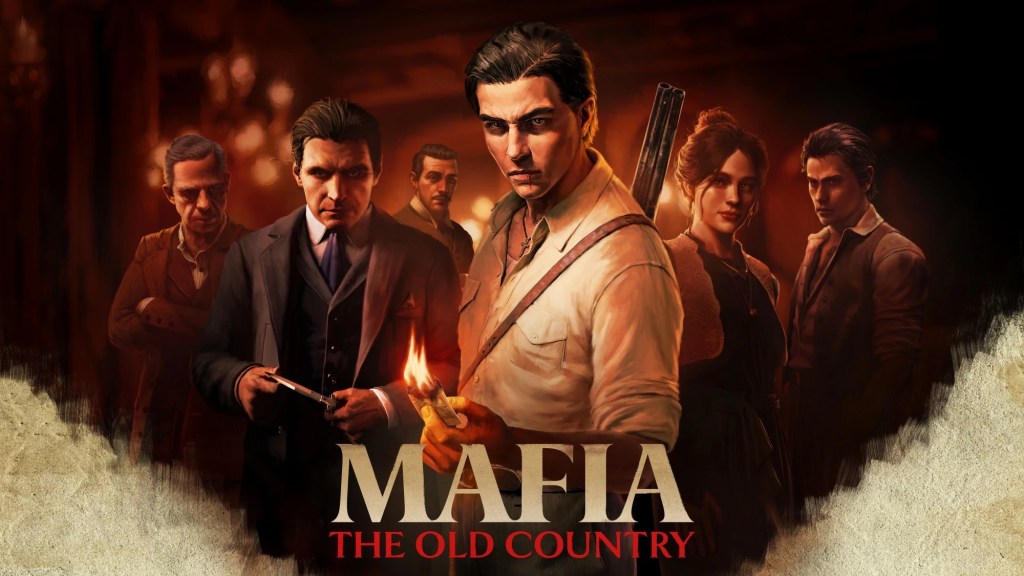
Here we go – after months of delaying buying Mafia: The Old Country it’s finally been added to PS Plus Extra catalogue which means I now face the decision of – do I sacrifice sleep and deal with my newborn sleep deprived or do I skip this title and revisit once life gets quieter. I decided to go with the former. Downloaded the game, carefully set up snacks, charged the controller and boom – my son decided to stay up all night. After three more nights of trying to play the game I finally got a chance to play uninterrupted.
A familiar Mafia story
Just to give a bit of background, the original Mafia was, in a way, my introduction to “proper” gaming. Picture this: the beginning of 2003. Eight-year-old me comes home from school to find a surprise waiting for him. “I got this game, but my PC won’t run it. Can we see if it works on yours?”
I was hooked from the beginning. The old cars, the music, the atmosphere and the graphics that made me think, “This looks so much like real life!” But most importantly, the STORY!
It’s a game I probably shouldn’t have been playing at that age, but thankfully, my parents weren’t too concerned about age ratings. It took me on a journey I could never have expected, eventually leading me to films like The Godfather, Goodfellas and Once Upon a Time in America.
This feels like a bit of a full-circle moment for me. The first game I’m playing as a dad is connected to the game that first made me fall in love with gaming.
So, how does Mafia: The Old Country hold up?
Right from the beginning, I wasn’t entirely sure what to make of the game. The opening felt a little slow, and with every cutscene and tutorial, I couldn’t help thinking about how much precious gaming time was slipping away. My son could wake up for a feed at any moment, after all. I wasn’t exactly in a position to take my time.
We set off on a journey with young Enzo, who is sold into a labour camp by his father to repay a debt. The prologue serves as both a tutorial and a setup for the story. While it does feel a little slow at first, I think that works in its favour. It gives us time to understand Enzo’s circumstances before things really get going.
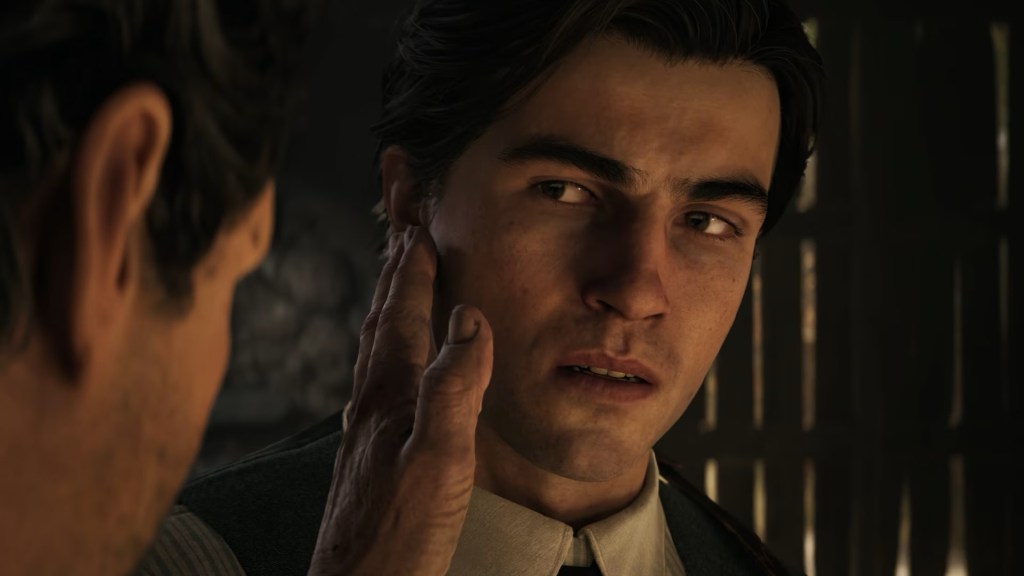
After a series of events, we find ourselves working for Don Torrisi, whose family holds considerable power in this part of early-1900s Sicily. This is where things start to get interesting. The world begins to open up, at least to some extent.
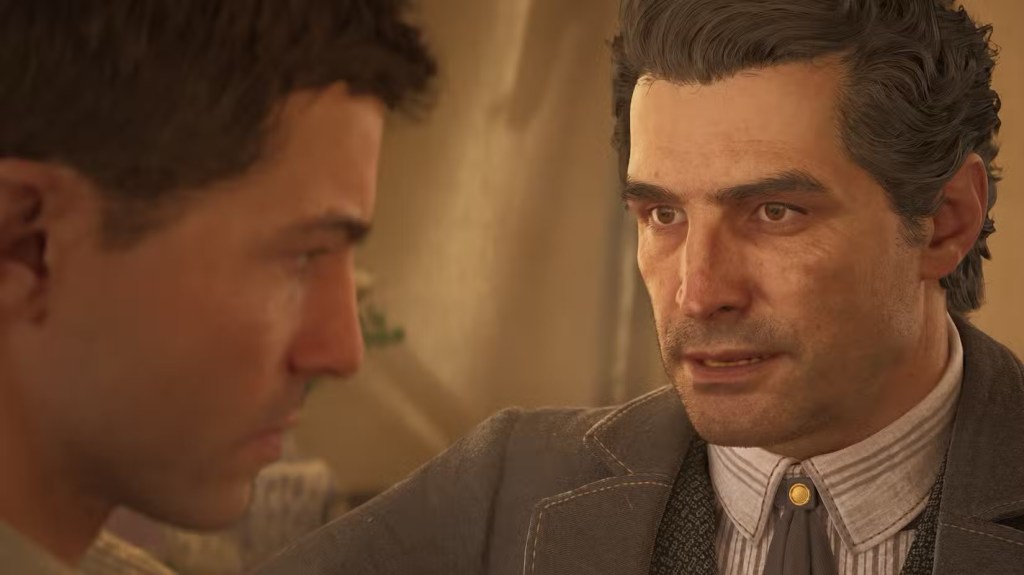
The story is the main focus of the game, and for the most part, it delivers. It’s predictable at times, but I don’t necessarily see that as a bad thing when it comes to mob stories. Sometimes, you want the familiar ingredients: family loyalties, dangerous business deals, shifting alliances and the inevitable consequences of getting involved with the wrong people.
There were a few moments of déjà vu, too. Certain missions felt as though they drew inspiration from previous Mafia games, whether it was collecting a debt, taking part in a race or sneaking into someone’s villa. I’m not sure whether these were intentional nods to the earlier games, a bit of fan service, or simply familiar mob-story territory. Either way, I enjoyed recognising those similarities.
The nostalgia doesn’t stop at familiar missions, either. A few familiar faces from previous games make an appearance, although some are easier to spot than others.
There’s Leo Galante, who Mafia II fans will recognise as one of the game’s major characters, here seen much earlier in his life before eventually making his way across the pond. Then there’s Sam from the original Mafia. He’s only a nine-year-old kid here, and the game doesn’t exactly point a big arrow at him. You can actually miss the connection entirely unless you’re paying attention to conversations happening around you.
There are even references to Don Salieri, the main mob boss from the original Mafia, hidden away in the collectibles.
These little details are exactly the sort of thing that made me smile. The game doesn’t always spell everything out for you, and recognising these connections feels like a small reward for those of us who have been around since the beginning. My inner eight-year-old was practically doing cartwheels.
The main story took me around 13 hours to complete. That’s without going out of my way to hunt down every collectible, although I did take the time to complete some optional objectives along the way.
Honestly, I think that’s a pretty good length for a game like this, especially when your gaming sessions depend on a newborn’s sleeping schedule. Sometimes, a game that respects your time is exactly what you need.
A story, not a sandbox
The story is linear, and there’s very little room to deviate from the path the game sets out for you. But that’s what Mafia has traditionally done well. You’re essentially playing through a movie. The decisions have already been made for you, and your job is to experience the story as it unfolds.
If you’re expecting a 1900s version of GTA, you’re going to be disappointed. The Old Country isn’t an open-world game in that sense. During certain missions, you can explore your surroundings, but venture too far from your objective and you’ll soon be greeted by a countdown telling you to return.
There is a Free Ride mode, which lets you explore the map away from the main story, collect items and take part in a few challenges. Unfortunately, the races and combat activities quickly become repetitive, so I wouldn’t consider it a major reason to keep playing. It’s nice to have the option to explore Sicily at your own pace, but the real attraction is the story, not what you can do after it.
Personally, I don’t think this is necessarily a problem. The game knows what it wants to be, and it doesn’t try to compete with the enormous open worlds we’re used to seeing elsewhere. I’d rather have a focused story that knows when to end than a huge map filled with activities that feel like chores.
A beautiful slice of Sicily
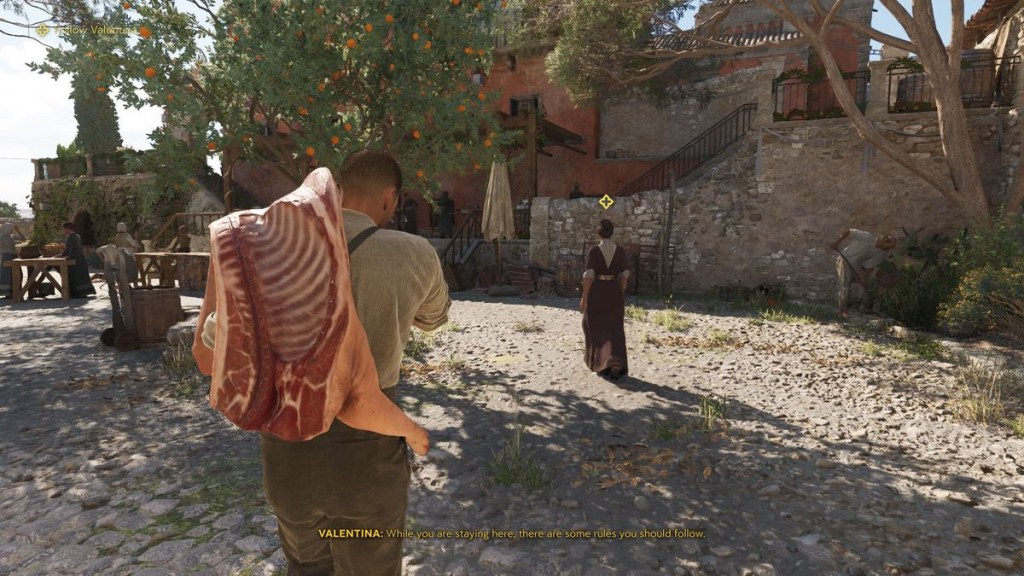
The 1900s Sicilian setting looks incredible. At times, I had to remind myself that I was playing a Mafia game and not looking at a Red Dead Redemption remake. The landscapes have that same sort of cinematic appeal, with plenty of beautiful scenery to stop and admire.
Whether you’re riding along dirt roads on horseback or driving one of the old cars across unpaved tracks, the game looks fantastic. Some missions let you skip the journey to your destination, but I found myself rarely using that option. Getting there and taking in the scenery along the way was part of the fun.
Where the game looks its best, though, is in its little towns and villages. The colours, the architecture and the attention to detail all help bring the setting to life. It’s not just about making Sicily look pretty. These places give the game much of its atmosphere and help make the world feel like somewhere people actually live, work and get into trouble.
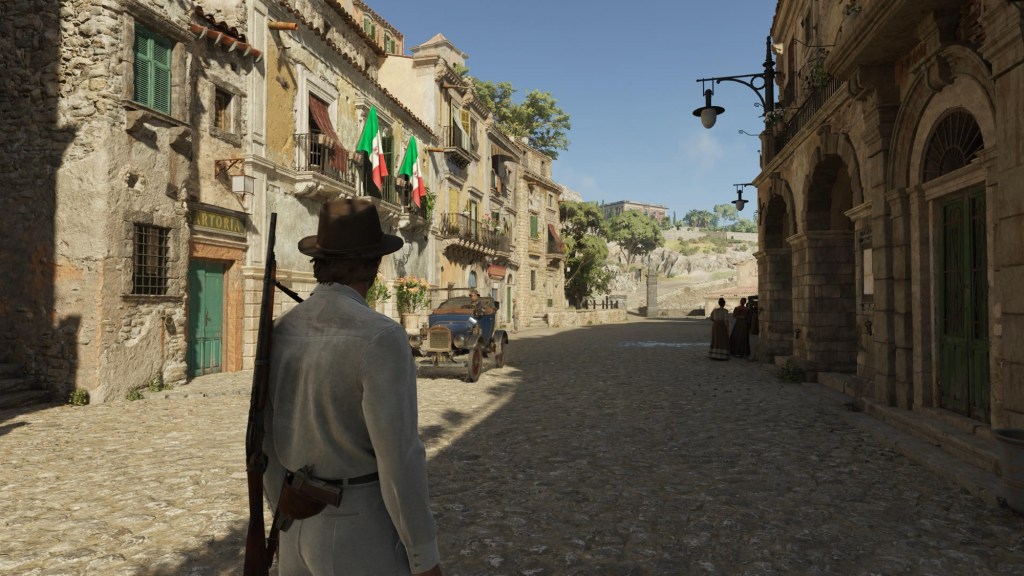
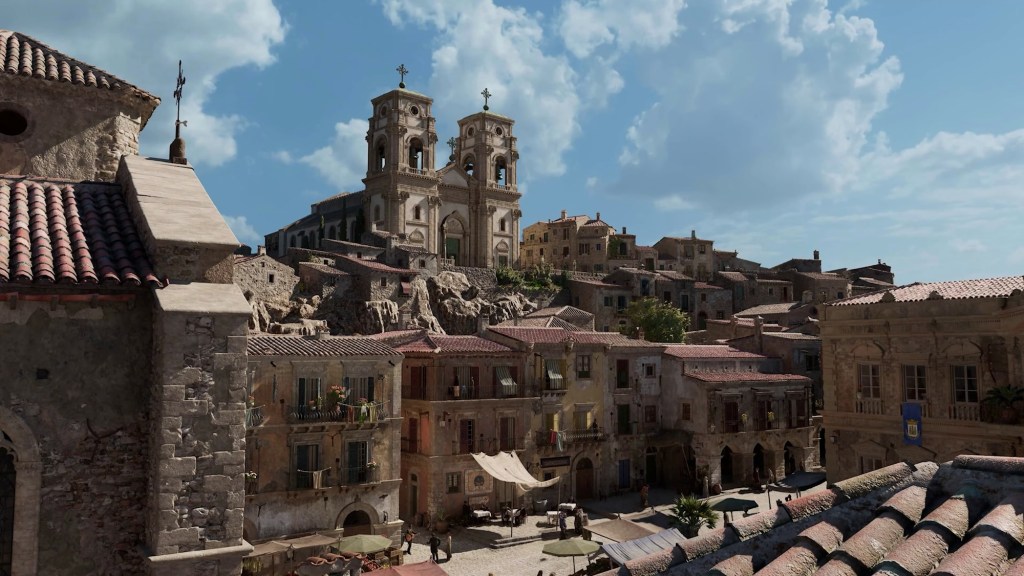
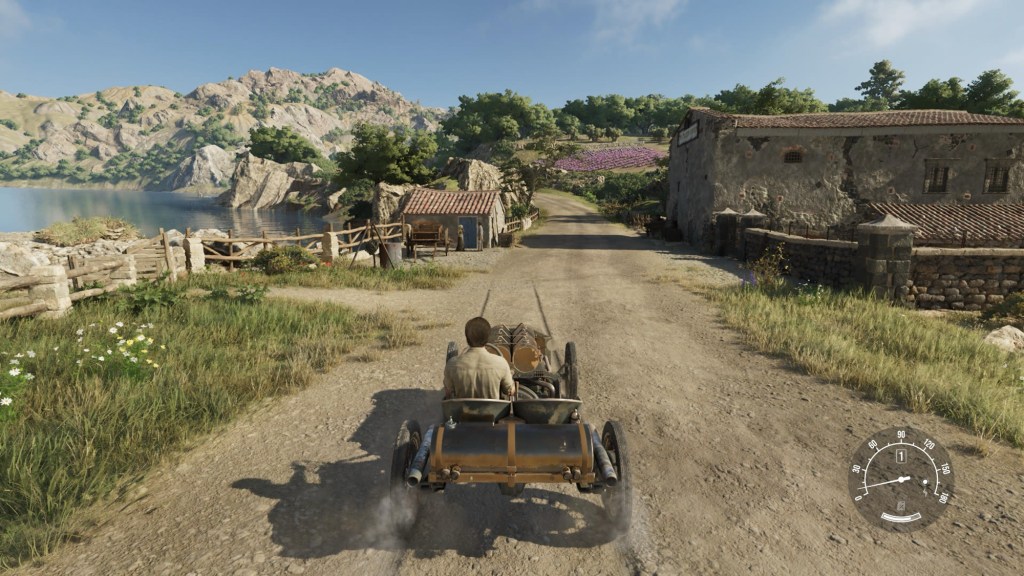
And when a game makes you want to stop for a moment and take in the surroundings, even when you know your precious gaming time is ticking away, it’s doing something right.
Guns, knives and familiar tricks
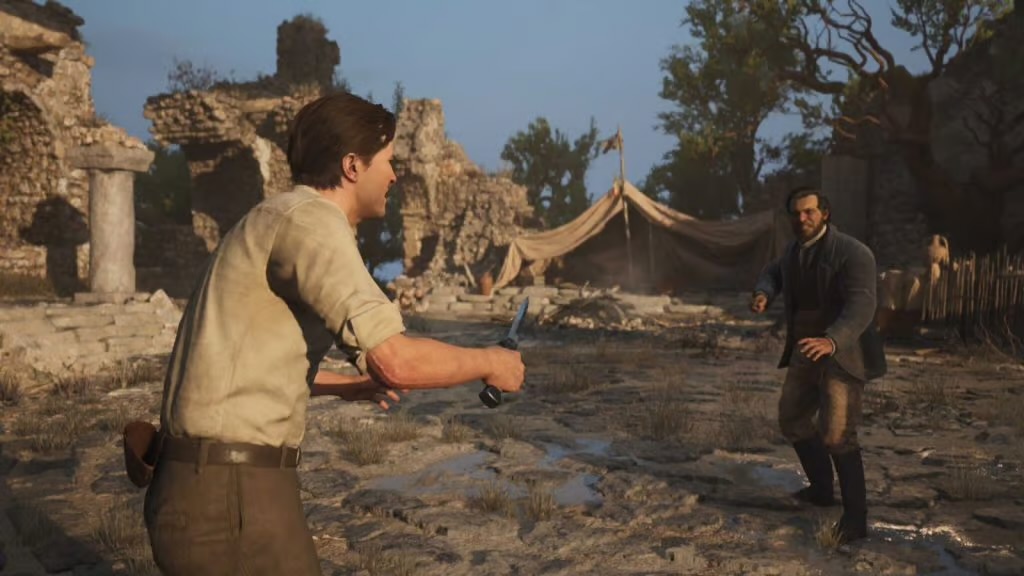
One of the new additions to the series is knife combat. These encounters act as mini-boss fights that crop up throughout the story. At first, I really enjoyed the addition. There’s something satisfying about the change of pace and the more personal nature of these fights.
Unfortunately, the novelty wears off fairly quickly. The encounters become repetitive, with the main difference being the opponent you’re facing. Unless it was a particularly important fight in the story, I found myself going through the motions just to get back to the action.
Speaking of combat, there are multiple ways to approach missions, unless an objective dictates otherwise. You can go in guns blazing, mowing down waves of enemies like Sylvester Stallone in Rambo, or take the stealthy approach like Agent 47.
Throughout the story, I dabbled in both, but honestly, stealth felt a little more rewarding. There’s something satisfying about clearing an area without raising the alarm.
Of course, that all goes out the window when you get caught. Suddenly, it’s John Wick, the dog has been killed, and everyone in the room needs to go.
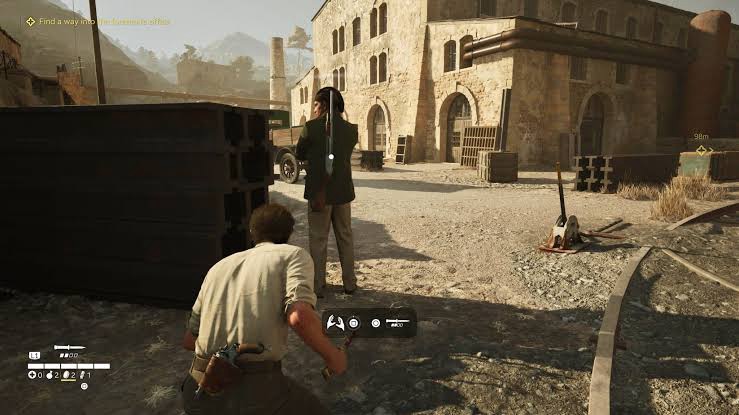
The variety is welcome, even if the combat doesn’t always feel particularly groundbreaking. It’s another example of the game relying on familiar ingredients rather than trying to reinvent the formula.
Is It Worth Losing Sleep For?
Ultimately, it depends on what you’re expecting from Mafia: The Old Country.
If you’re looking for a Rockstar-style open world packed with activities, freedom and endless distractions, this probably isn’t the game for you. But if you want a focused, cinematic crime story with a beautiful setting, a manageable campaign and plenty of familiar Mafia DNA, there’s a lot to enjoy here.
The Old Country returns to the series’ roots, both literally and figuratively. Literally, we’re taken back to Sicily, exploring the origins of organised crime in the early 1900s rather than the familiar streets of New York or Chicago. Figuratively, the game returns to the linear storytelling that made the original Mafia and Mafia II stand out.
It doesn’t try to reinvent the wheel. Instead, it builds on what worked in those earlier games, while avoiding the temptation to pad the experience with activities just for the sake of making the world bigger.
Mafia III is a good example of why that matters. Its story missions had plenty going for them, but getting to the next big moment often meant working through repetitive side activities first. What should have been a gripping crime story could start to feel like a checklist.
The Old Country takes a different approach. It keeps the focus on the story and lets you move through it without constantly having to clear a list of side objectives. I’d rather have a smaller world that serves the story than a bigger one that gets in its way.
It’s not perfect, and I would have liked more variety in some of its mechanics. But the game understands that adding more content doesn’t automatically make an experience better.
It’s also a setting we don’t get to experience all that often in games. When someone mentions the Mafia, you probably think of New York, Chicago or Atlantic City. Taking the story back to Sicily gives the series a different flavour, and I found that refreshing.
Is it perfect? No. The knife fights become repetitive, the world offers limited freedom, and some of the story beats are predictable. But I enjoyed my time with it, and I was genuinely glad I’d sacrificed some sleep to play it.
For a new dad, a focused story that can be completed in around 13 hours, without demanding weeks of your life, is a pretty compelling proposition.
My verdict:


Leave a Reply